
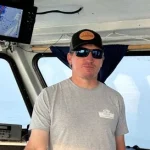
A guided fly fishing trip can shorten the learning curve, simplify the logistics, and help you spend more time focused on the water. Whether you are picking up a fly rod for the first time, improving your technique, or looking for access to unfamiliar trout, steelhead, bonefish, or tarpon water, a qualified guide or charter can tailor the experience to your goals.
The best trips combine practical instruction with local knowledge. Your guide may help with casting, fly selection, presentation, reading water, boat safety, and fish handling while adjusting the plan as weather and water conditions change.
Table of Contents
ToggleWhat a guided fly fishing trip includes
The details vary between operators and destinations, so confirm the arrangements before booking. A typical outing may include some or all of the following:
- Instruction matched to your experience and physical comfort level
- Advice on flies, leaders, knots, presentation, and line management
- Local knowledge of productive water and seasonal patterns
- Rods, reels, flies, and basic tackle, when included in the booking
- A planned wading route, boat itinerary, or combination of fishing locations
- Safety guidance covering conditions, equipment, weather, and travel on the water
River guides and saltwater charter captains often work in very different environments. A wading trip on a small mountain stream may emphasize stealth and precise presentation, while a boat-based trip may involve different equipment, casting demands, and safety procedures.
How to choose the right guide or charter
Start by identifying the experience you want. Consider the species, water type, trip length, season, and level of instruction you need. A guide who specializes in trout on small rivers may not be the right fit for a saltwater flats trip, and a technical fishing lesson may require a different approach from a destination charter focused on covering water.
Before making a reservation, ask clear questions about:
- The guide’s experience with your target species and chosen water
- Whether the trip is wading, boat-based, or both
- What equipment, flies, licenses, food, and beverages are included
- Group size and the guide-to-angler ratio
- Physical requirements, walking distances, and accessibility concerns
- Weather policies, cancellation terms, and possible itinerary changes
- Whether the operator is properly licensed and insured where required
Reviews and recommendations can help, but direct communication is equally important. Tell the guide whether your priority is learning, catching a particular species, exploring scenic water, taking photographs, or creating a relaxed family outing. That information allows the operator to prepare more effectively.
Timing your guided fishing trip
Fishing conditions vary by destination and season. Mountain rivers and high-country lakes may be attractive options for trout during spring and summer. Coastal flats and estuaries are commonly associated with warmer months and saltwater species, while fall and early winter can offer opportunities for steelhead and certain trout runs.
Seasonal hatches, water levels, weather, regulations, and fish movements can all affect the plan. A knowledgeable guide can explain the strengths and limitations of different dates and suggest alternatives when conditions are unfavorable. Peak periods may fill quickly, so advance planning is especially useful for popular guides, charters, and lodge-based trips.
What to bring
Do not assume that every booking includes the same equipment. Confirm the packing list and supplied gear in advance. Even when rods and tackle are provided, personal items can make the day more comfortable:
- Layered clothing suitable for changing weather
- Polarized sunglasses and sun protection
- Comfortable, broken-in wading boots when appropriate
- Insect repellent and a small personal first-aid kit
- Water, snacks, and any necessary medications
- Rain gear or additional warm layers when conditions call for them
Arrive on time and prepared to follow the guide’s instructions. A delayed departure or missing essential item can reduce valuable fishing time, particularly on a half-day outing.
Costs, licenses, and trip details
Rates depend on location, duration, group size, boat type, equipment, and the level of specialization involved. A half-day river trip may be priced very differently from a premium saltwater charter or a multi-day lodge package. Ask for a complete breakdown before booking, including whether licenses, equipment rental, meals, fuel, and gratuities are separate.
Licensing and fishing regulations also vary by location. Confirm what you need before the trip and follow the guide’s direction regarding permitted methods, seasonal rules, and fish handling.
Make the day more rewarding
Use the trip as both a fishing experience and a practical lesson. Ask for feedback on your cast, line control, fly presentation, and approach to the water. If appropriate, take notes or record short instructional videos for later review. Be open to changing flies or tactics when conditions shift rather than focusing only on one planned method.
Responsible guides emphasize careful fish handling and respect for habitat. Follow local catch-and-release practices, keep fish in the water as much as possible when instructed, and avoid actions that unnecessarily stress fish or damage the surrounding environment.
With realistic expectations, careful preparation, and a guide whose specialty matches your goals, a fly fishing guide or charter can provide more than a day of fishing. It can give you practical skills, access to unfamiliar water, and a better understanding of how to fish independently in the future.
Related Guides
- All Inclusive Fly Fishing Trips Colorado
- Arkansas Fishing Trips
- Breckenridge Fly Fishing
- Cowlitz River Fishing Guides
- Estes Park Fly Fishing Lessons
- Fish Trip
- Fly Fishing Classes Near Me
- Fly Fishing Guides Madison River Montana
- Fly Fishing Lessons Denver Co
- Gatlinburg Trout Fishing
- Idaho Steelhead Fishing Guides
- Steelhead Fishing Guide
- Trout Fishing Guides Near Me